Ensure Clean, Safe Water with Advanced Water Treatment Solutions
Our water treatment systems are designed to deliver reliable purification, improving water quality and meeting your facility’s specific needs.
Iron Oxide and Iron Bacteria in Water Wells?
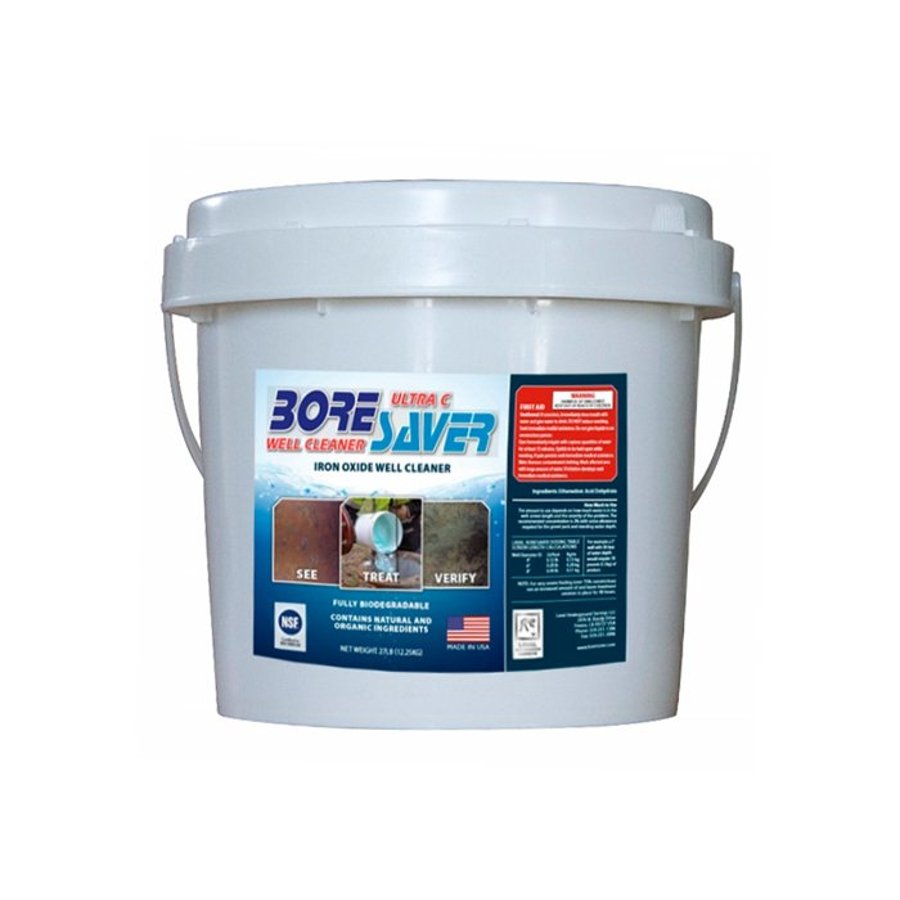
Choose BoreSaver Ultra C for Iron Oxide Removal
Iron oxide buildup can cause serious problems in water wells, including reduced water flow, lower water quality, and damage to pumps and equipment. BoreSaver Ultra C is an environmentally friendly solution that completely removes iron oxide deposits, improving water supply quality, boosting output, and extending the life of your equipment. Safe for potable water systems, BoreSaver Ultra C is biodegradable, easy to use, and NSF-certified.
Environmentally friendly and safe for potable water
Effective at removing iron oxide deposits and iron bacteria
Easy to use with standard well rehabilitation techniques
Coliform Bacteria Contamination in Water Wells?
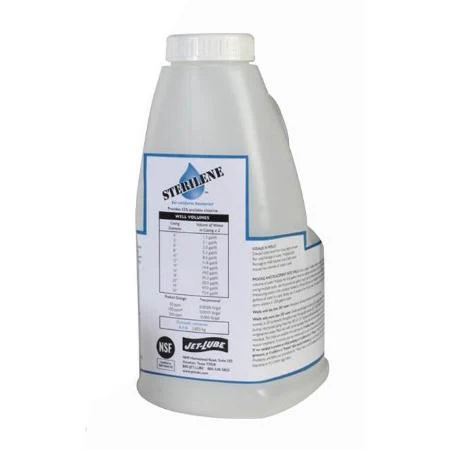
Use Sterilene for Effective Bacteria Removal
Coliform bacteria contamination can compromise water quality and make it unsafe for consumption. Sterilene™ is a highly effective alternative to traditional chlorine, 200 times more powerful at eliminating coliform bacteria in water wells and pipelines without the need for premixing. It is designed for ease of use and is more cost-effective than chlorine, with no pH control required.
200 times more effective than standard chlorine
No premixing required, making it easier to use than traditional methods
Ideal for bacteria removal in residential, commercial, and agricultural systems
Mineral Scale Build-Up in Water Wells?
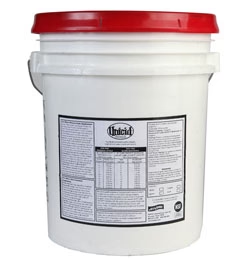
Use Unicid Granular and Bullets for Scale Removal
Mineral scale buildup, including calcium, iron, and manganese, is a common problem in water wells and water purification systems. Unicid Granular and Bullets are specifically formulated to dissolve mineral scale, even from tough compounds like sulfate. These products are safe to store, ship, and use, and are effective at restoring your water system’s flow rate and efficiency.
Non-corrosive and safe for disposal
Effective on iron, manganese, and calcium scale
Safe for use in water wells and purification systems
Slime Bacteria and Biological Debris in Wells?
Use Unicid Catalyst for Slime Bacteria Removal
Slime bacteria, iron bacteria, and biological debris can clog your well systems and lead to reduced performance. Unicid Catalyst is specifically designed to remove all forms of biological debris in water wells. When used in combination with Unicid Granular, it provides longer-lasting results and restores system efficiency by clearing out buildup that may be obstructing the pump or filtration system.
Removes slime bacteria and biological debris
Safe, non-corrosive formula for easy use and disposal
Provides long-lasting cleaning results
Mineral and Bacterial Debris in Well Casings?
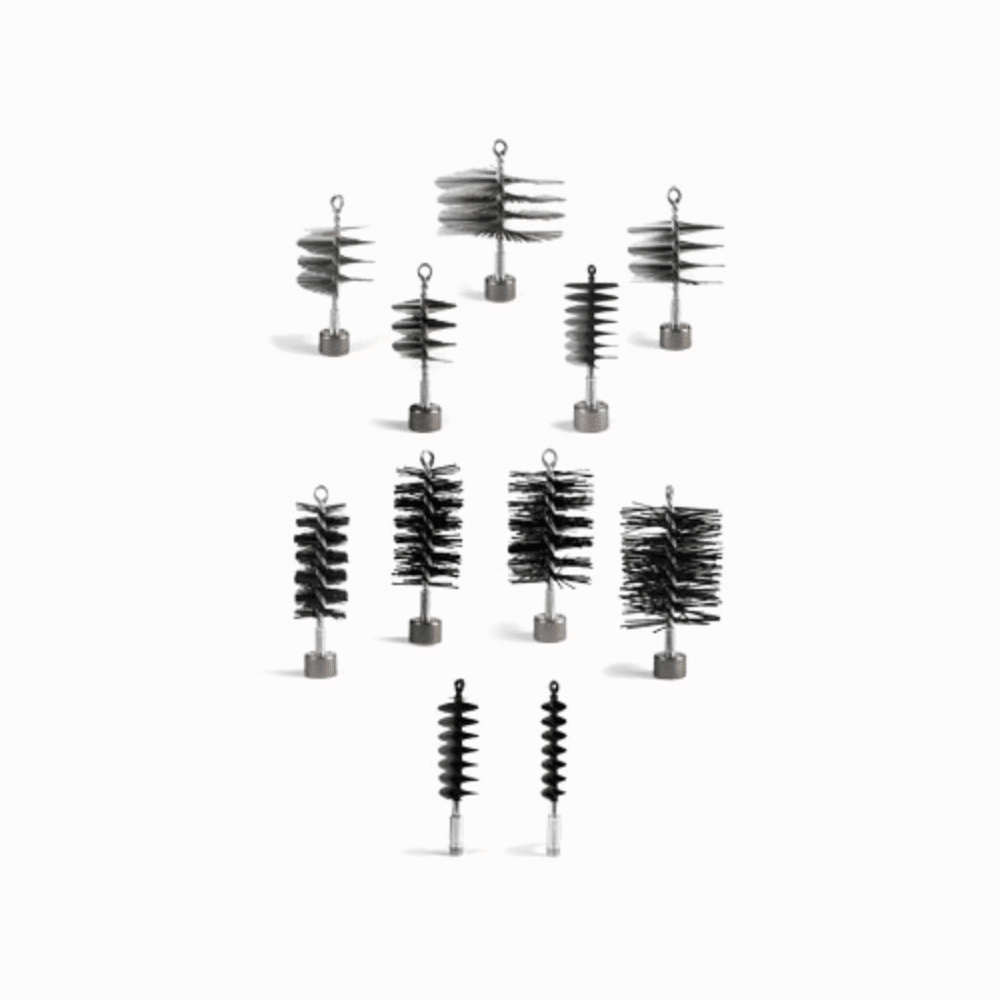
Use WireHog Well Casing Brushes for Pre-Cleaning
Before applying chemical treatments, it’s crucial to remove as much debris as possible from the well casing. The WireHog Well Casing Brushes are specifically designed to clean mineral and bacterial debris from well casings. Available in various sizes, these brushes provide physical cleaning to improve the effectiveness of subsequent treatments like Unicid Granular and Unicid Catalyst.
Removes mineral and bacterial debris from well casings
Available in multiple sizes for different well diameters
Prepares wells for more effective chemical treatments
Why Choose Ability Pump for Your Water Chemical Needs?
Ability Pump Answers Your Top Questions
Water treatment chemicals help maintain and enhance the performance of water wells by addressing common issues like mineral scale buildup, bacterial contamination, and iron oxide deposits. These chemicals ensure that the water quality remains consistent, safe, and efficient, which leads to longer pump life, improved water flow, and reduced maintenance costs.
When selecting a water treatment chemical, it’s important to consider factors like the contaminants present (e.g., bacteria, iron, sulphates), the well’s material composition, and the local water quality. You should also take into account the environmental impact of the chemicals, their biodegradability, and safety for potable water systems. Working with a knowledgeable professional can help determine the best chemical treatment solution for your specific needs.
The correct dosage of water treatment chemicals depends on factors such as well depth, water volume, and the severity of the problem (e.g., iron oxide buildup or bacterial contamination). Most chemical treatments come with guidelines that specify the appropriate dosage based on the system’s water volume and condition. For precise application, it’s important to consult with a professional or manufacturer to ensure the proper chemical concentration is used.
The frequency of chemical treatment depends on the severity of the problem and the system’s maintenance needs. For example, systems with high iron content or bacterial growth may require more frequent treatments (annually or bi-annually), while others may only need occasional treatment (every 2-3 years). Regular water quality testing can help determine when treatments are necessary to maintain optimal performance.
Many water treatment chemicals are designed to be eco-friendly and biodegradable, minimizing their environmental impact. However, it’s essential to choose products that are certified safe for the environment and non-toxic to surrounding ecosystems. Some chemicals may also improve water quality by removing harmful substances, reducing the need for additional chemical treatments down the line.
To avoid damaging your well system or pumping equipment, it’s critical to follow manufacturer guidelines and ensure the correct dosage and application methods. For example, certain chemicals can be corrosive if applied too frequently or in excessive amounts. Regular monitoring and testing of water quality can help you avoid overuse and ensure that the chemicals are effectively improving system performance without causing damage.
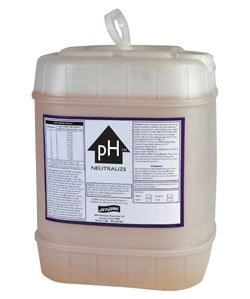
Maintaining the correct pH balance in your water system is essential for the health of your equipment and the effectiveness of chemical treatments. Chemicals like pH neutralizers can be used to control acidity and ensure that the system operates within a safe pH range. Extreme pH levels can cause corrosion, clogging, and wear on pumps and pipes, leading to increased maintenance costs and reduced efficiency.
The effectiveness of your water treatment system can be evaluated through regular water quality tests that check for contaminants like bacteria, iron, and mineral scale. Flow rates and pressure levels should also be monitored to ensure that the system is running efficiently. If water quality is not improving or system performance is not optimal, it may indicate the need for a different chemical treatment or system adjustment.
Yes, water treatment chemicals can be applied to various types of wells, including residential, industrial, and agricultural systems, but the treatment solution may differ based on the application. For instance, industrial systems may require stronger or more specialized chemicals to handle large-scale issues like high-volume iron buildup or corrosive industrial waste, while residential wells may require more gentle treatments for common issues like bacterial contamination.
Improper use of water treatment chemicals can lead to over-treatment or under-treatment, which can have detrimental effects on both the water system and water quality. Overuse can cause corrosion, clogging, and damage to equipment, while underuse may fail to resolve the underlying issue, leading to poor water quality or system failure. It’s important to follow guidelines carefully and work with a professional to ensure the treatment is effective and safe.
Have More Questions?
Reach Out to Our Team Today!
Request a Quote!
Submit your request today, and our expert team at Ability Pump will get back to you quickly with a tailored solution to meet your needs. Fill out the form below to get started!





















Connect with the Pump Specialists
Our team is ready to support your operations with reliable solutions.
Contact us toll-free at:
1-800-263-5353