Tackle Tough Jobs with Powerful Submersible Pumps
Experience peace of mind with our high-performance submersible pumps, designed for durability and efficiency in even the toughest conditions.
Inconsistent Water Supply and Pressure?
We Supply Submersible Pumps for Steady, Reliable Flow
If you’re struggling with fluctuating water pressure or unreliable water supply, our submersible pumps ensure a consistent flow and steady pressure across a variety of applications. From domestic water supply to municipal systems, we provide the efficiency and reliability you need to keep systems running smoothly.
Continuous operation for water systems
Easy installation and operation for less maintenance
Durable motors for reliable, long-term use
Frequent Maintenance and Downtime?
We Supply Durable, Low-Maintenance Pumps
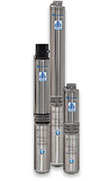
Traditional submersible pumps often require frequent repairs and maintenance. Our pumps, including Grundfos SQ/SQE and Schaefer 3200 Series, are built to last, with low-maintenance designs that help reduce downtime. Save on costly repairs and ensure your systems run efficiently with our high-performance pumps.
Dry-running protection and built-in safeguards
High-efficiency motors reduce wear and energy consumption
Corrosion-resistant materials for longer pump life
Why Choose Ability Pump for Submersible Pumps?
Ability Pump Answers Your Top Questions
A single-stage submersible pump is designed to move water at a consistent flow rate at a relatively low head, typically used in shallow wells or high-flow systems. A multi-stage submersible pump, on the other hand, uses multiple impellers to create higher pressure, making it ideal for deep well applications or high-pressure requirements. The choice depends on the head requirements and the desired flow rate. For deep or high-pressure systems, multi-stage pumps offer better efficiency and performance.
The motor efficiency directly impacts the energy consumption and overall operating costs. High-efficiency permanent magnet motors used in modern submersible pumps, like those in the Grundfos SQE series, significantly reduce energy consumption, leading to lower operational costs over time. The energy savings can be substantial, especially in systems running continuously, as the motor’s efficiency determines how much energy is used to maintain the required flow and pressure.
Submersible pumps exposed to harsh conditions, such as abrasive liquids or seawater, require corrosion-resistant materials like stainless steel or titanium to maintain reliable operation. For example, Grundfos SP series pumps are made with stainless steel and are highly resistant to corrosive and abrasive environments. Pumps with non-corrosive materials will have a longer lifespan and reduced maintenance needs. Internal components like the motor housing and impellers are particularly important for maintaining efficiency and reducing downtime.
Incorporating a Variable-Speed Drive (VSD) into a submersible pump system allows for real-time adjustment of the pump speed based on the system’s demands. VSDs help maintain optimal system performance while reducing energy consumption by adjusting the pump speed to match the required flow rate and pressure. This results in significant energy savings, especially in systems with fluctuating demand, and minimizes wear and tear on the pump by avoiding the stresses associated with constant high-speed operation.
Dry-run protection is essential for preventing motor damage when the pump is operating without water, which could otherwise lead to overheating and mechanical failure. Similarly, overload protection helps safeguard against excessive current draw, ensuring the motor operates within safe parameters. These features are crucial for improving the durability and reliability of submersible pumps, especially in demanding industrial or commercial settings where the pumps are subject to long hours of continuous operation.
In industrial applications where high capacity is required, using a multi-pump configuration (such as parallel pumping) ensures redundancy and system flexibility. If one pump fails, the others can maintain flow, which is crucial for critical operations. Additionally, multi-pump configurations allow pumps to run at optimal efficiency by distributing load between pumps based on system demand. This reduces wear on individual pumps and improves energy efficiency over time.
Performance curves are essential for understanding how a pump will behave under different system pressures and flow rates. By reviewing the performance curve of a submersible pump, professionals can determine its best operating point (BEP), ensuring the pump operates efficiently within the system’s constraints. Performance curves help in selecting the right pump size, ensuring that the pump delivers the required flow rate at the optimal pressure while minimizing energy consumption and mechanical stress.
Common causes of submersible pump failure include dry running, corrosion, mechanical wear, and overloading. Preventing failures involves proper installation, regular maintenance checks, and system monitoring. Ensuring that the pump is always properly submerged, protecting it with overload and dry-run protection, and using corrosion-resistant materials can significantly extend the life of the pump. Additionally, ensuring the pump is operating within its optimal range will help prevent stress on the motor and impellers.
Proper sizing of a submersible pump for a deep well involves assessing the static water level, drawdown, and required flow rate. A professional should calculate the dynamic head of the system to determine the appropriate horsepower (HP) and flow rate needed for efficient operation. Using a multi-stage pump is often necessary for deep well applications, as these pumps can generate the high pressures required to lift water from greater depths. Additionally, selecting the right motor size is critical for long-term performance and energy efficiency.
Routine maintenance includes inspecting pump seals, monitoring the motor for overheating, and checking the electrical connections. For systems with VSDs, it’s important to regularly inspect the drive components and ensure they are working efficiently. Cleaning the pump intake and removing debris from the well or tank will prevent damage to internal components. Regular lubrication of bearings and checking for cavitation or vibration issues will further extend the pump’s service life.
Have More Questions?
Reach Out to Our Team Today!
Request a Quote Today!
Our expert representatives at Ability Pump are ready to help you source the right product for your needs. Submit your request and we’ll provide a tailored quote and guide you through the selection process. Fill out the form below to get started!























Connect with the Pump Specialists
Our team is ready to support your operations with reliable solutions.
Contact us toll-free at:
1-800-263-5353